
02 / Frame the opportunity
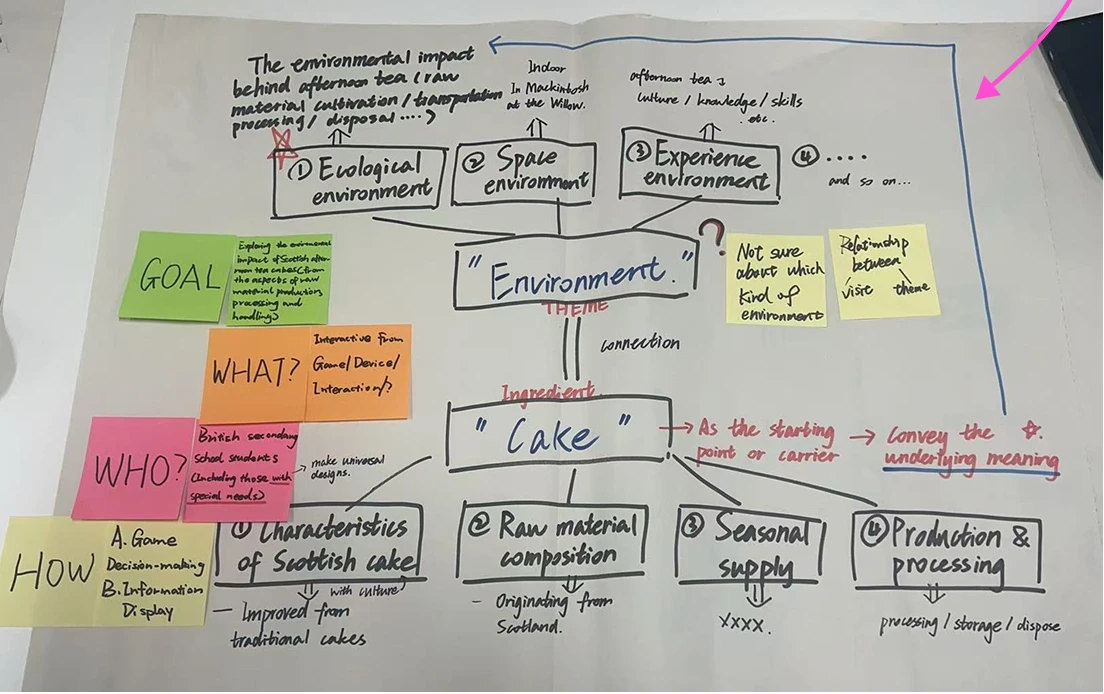
Use cake as the learning entry point.
The framing map connected ingredients, seasonal supply and the needs of young learners.
 Junjie Song
Scottish Afternoon Tea Challenge
An educational card game for 14–16-year-olds: trace ingredient origins, adapt to changing supply and explain a menu decision before practical food making.
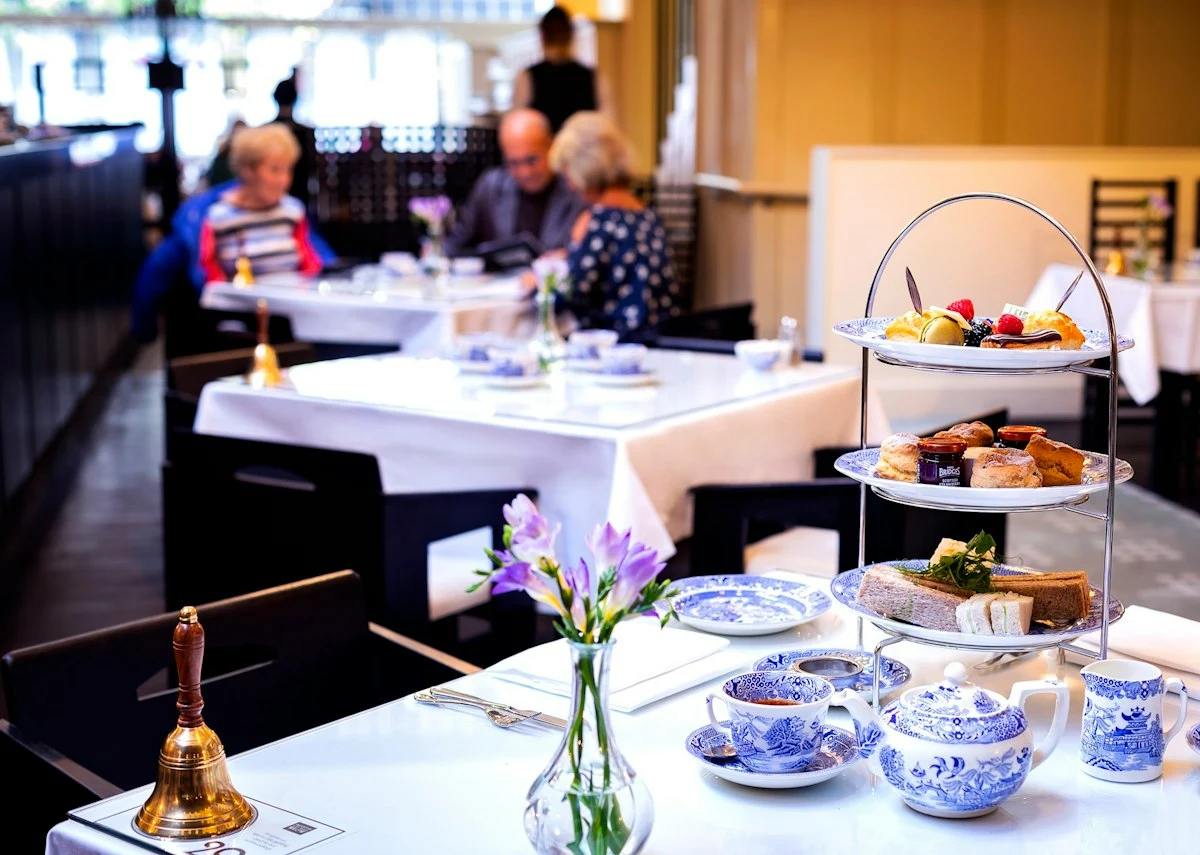 Mackintosh at the Willow / Glasgow
The starting point / 2025
The project began with a real educational need. In 2025, Mackintosh at the Willow hosted a symposium on Scottish food heritage. As a follow-up, partner organisations were developing digital learning resources for Scottish secondary pupils.
The resources would connect afternoon tea’s history and culture with real hospitality skills and practical activities.
Beyond environmental education, the initiative connects cultural heritage, learning experiences and practical activities with future vocational education.
My team and I explored participatory learning as an approachable way to bring this experience into young people’s practical and vocational classrooms.
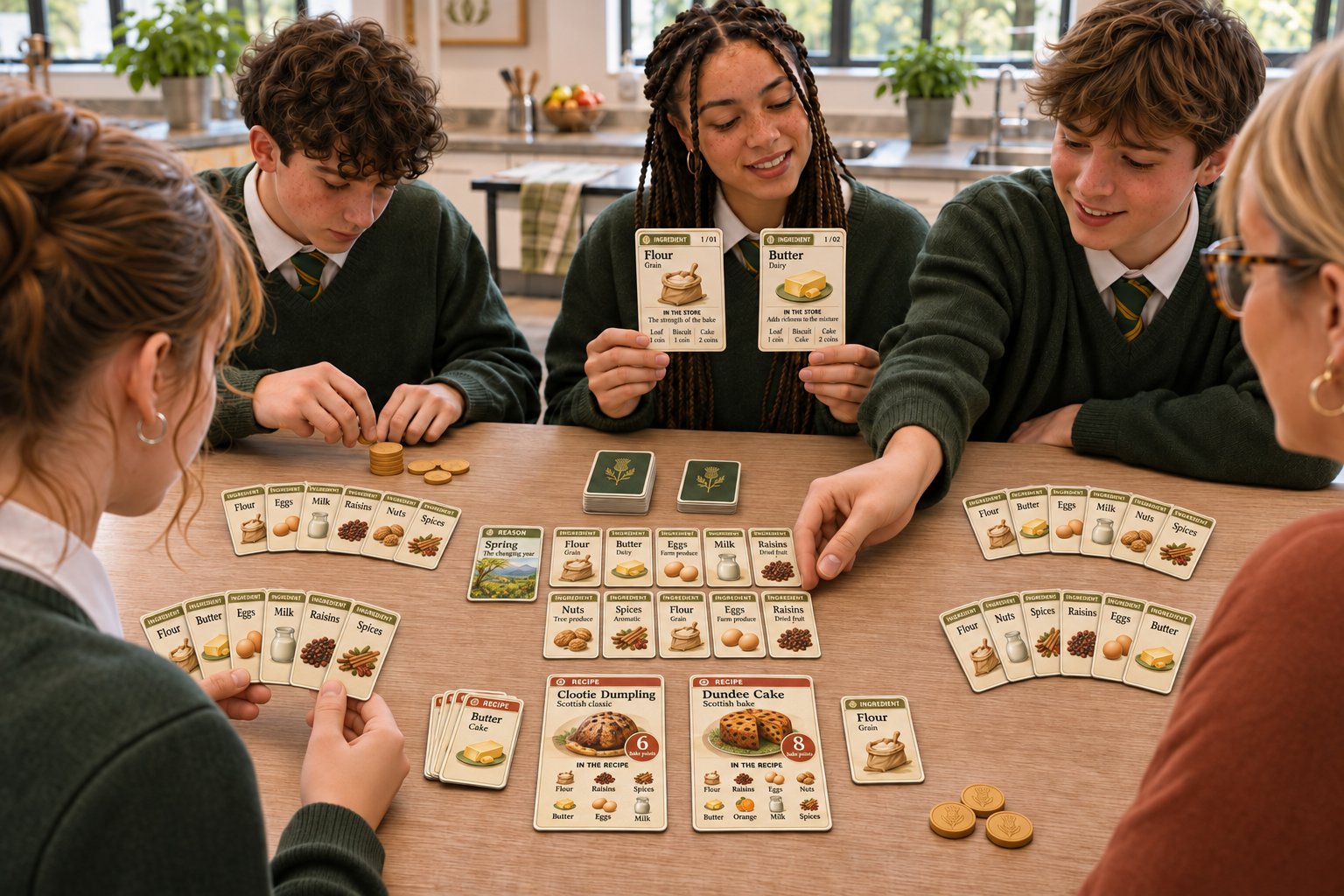
Participatory learning process
Using traditional Scottish afternoon-tea cakes, an ingredient-sourcing card game guides teenagers to choose ingredients and discuss decisions through budget trade-offs and seasonal changes, building an understanding of the relationship between food origins and supply.
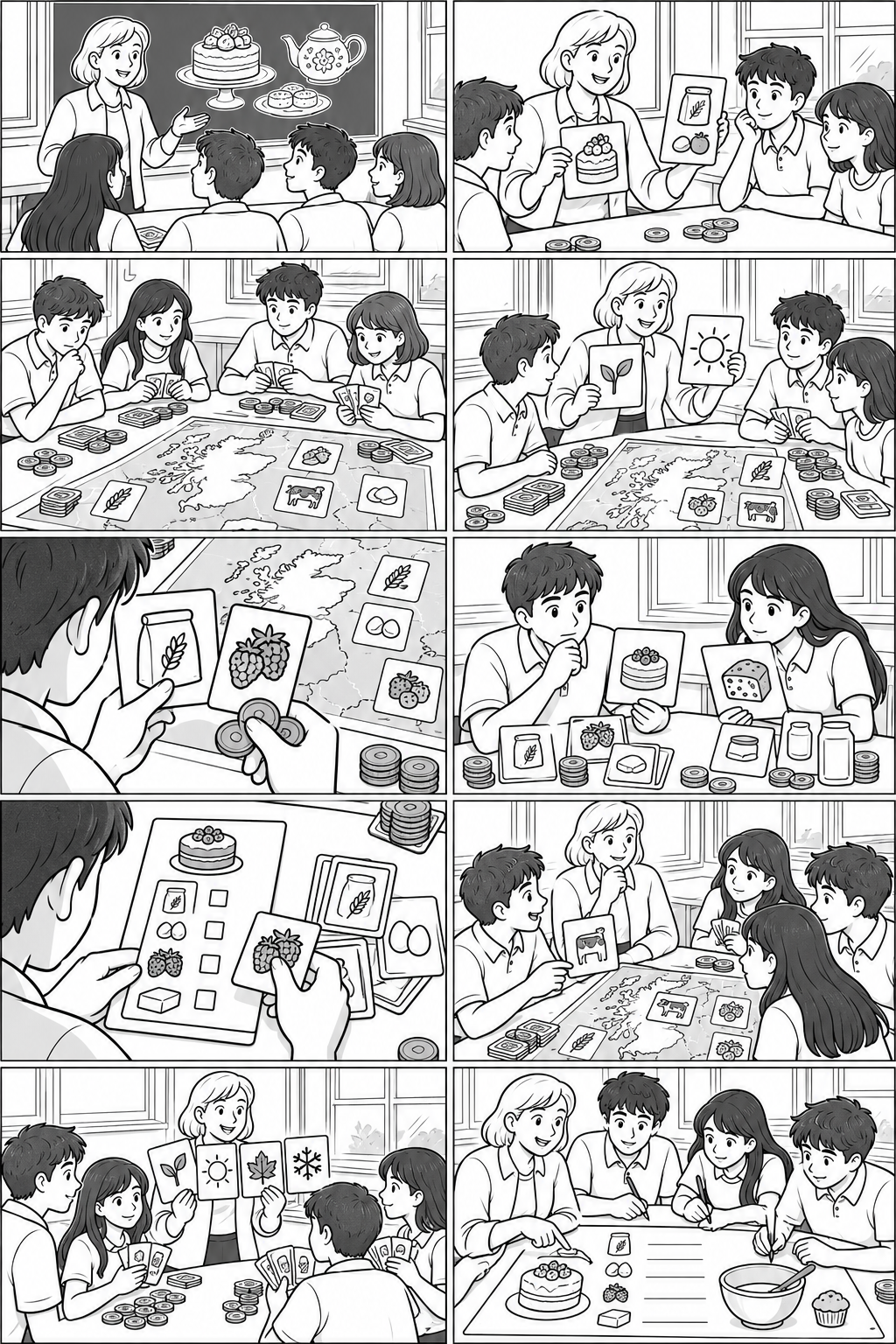
The teacher introduces Scottish afternoon tea and how its cakes are made through the digital resource.
Demonstrate a purchase, recipe base points and the +1 source bonus for each imported ingredient used. Try a short practice turn together.
Four pupils share one kit. Each starts with their own 20 coins, pantry and score for the whole match.
Shuffle the four season cards face down. Reveal one shared season and its event each round; later cards stay hidden.
Choose a bake and buy its ingredients. Compare origin, availability, price and pack size.
Match the full recipe checklist. Use those cards once; the recipe points remain pending.
Compare decisions at the table. Explain a source, a supply condition and a trade-off for teacher confirmation.
Keep unused coins and cards; buying or passing is a choice. After four seasons, the highest secured score wins.
Review the activity and summarise what you have learned. The winner receives an afternoon-tea voucher sponsored by Mackintosh at the Willow.
The interactive game
One season per round. The same market for everyone.
Research & ideation
The team traced the cake’s journey, framed the learning opportunity and explored ways to make it participatory.
Origins, transport, production and waste formed the starting map of relationships.
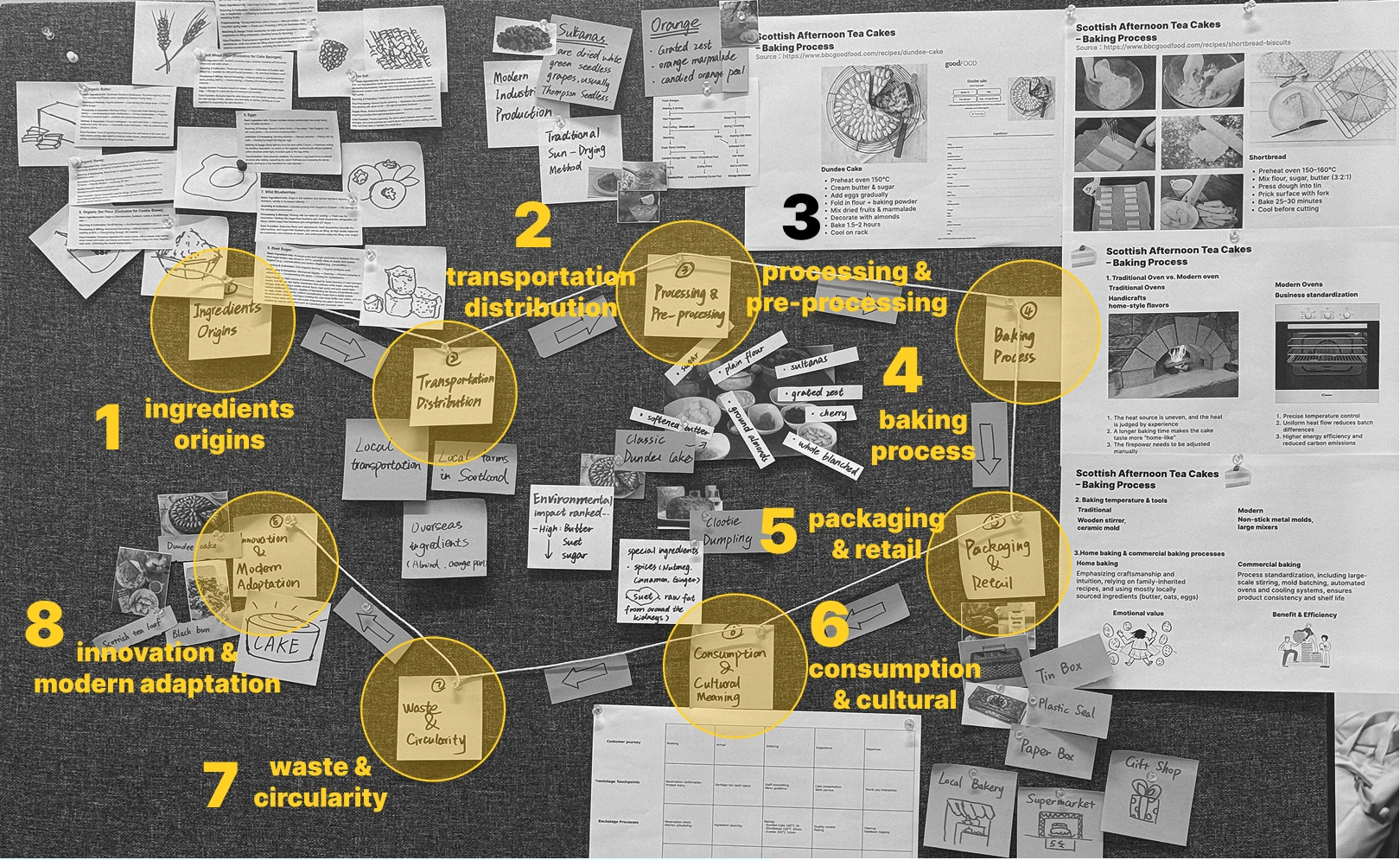
The framing map connected ingredients, seasonal supply and the needs of young learners.
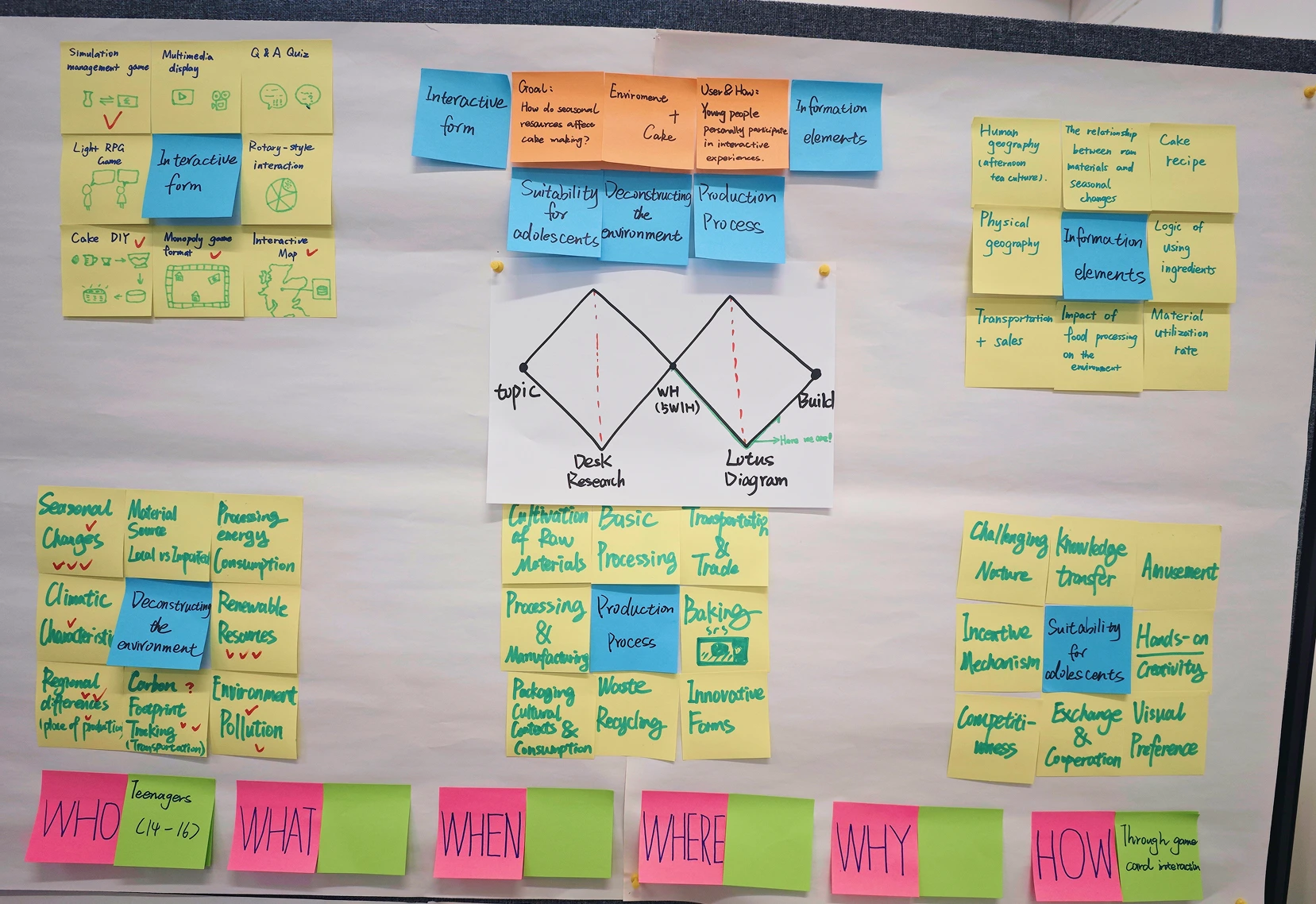
Lotus Blossom explored game, map and hands-on formats before the card-game direction.
Compare a recipe across seasons.
Changed offers force a new decision.
Trace local, regional and imported sources.
Match each part before completing the bake.
The four seasons share one budget. Start with an expensive recipe to stock your pantry, or save coins for a favourable market later in the match.
The season deck is shuffled each match. Computer players weigh the current market and their own pantry. They may pass to save coins for a later season.
In the web match, lower egg prices help fund Dundee Cake and Tea Cake. Buying a two-card pack of black tea leaves a spare card for a later Tea Cake.
More ingredient dependencies mean more parts to source and coordinate. The recipe seals retain 8 / 6 / 5 / 7 base points. Each imported ingredient used adds 1 point to a completed bake.
In the interactive game, baking with local or regional butter in one round and imported butter in another earns 4 extra points at the end. When choosing a source, weigh that bonus against the coins you’ll need for another bake.
Other mechanisms / Sources & dependencies
Provenance stays visible. Prices vary by ingredient and season.
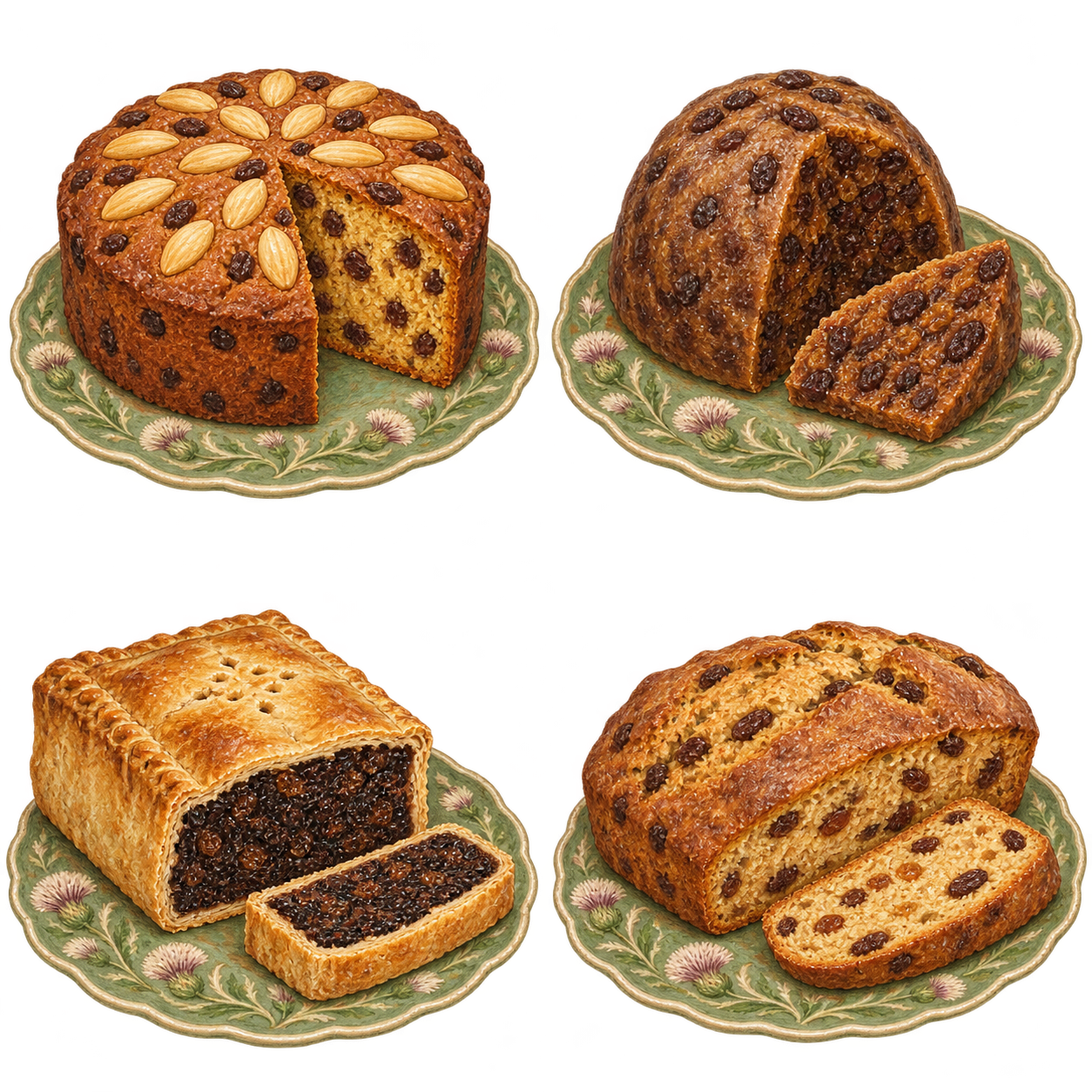
One missing ingredient leaves the recipe incomplete.
Peer review and repeated paper playthroughs revealed three problems. As group lead, I helped turn that feedback into a clearer task, meaningful supply choices and a more active teaching role.
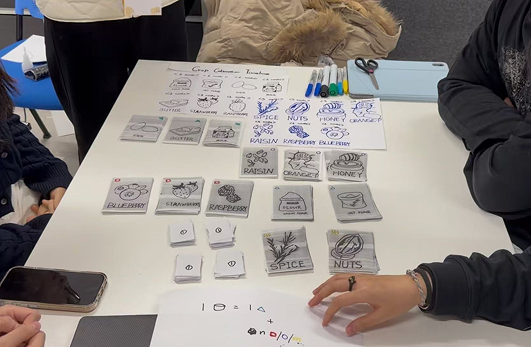
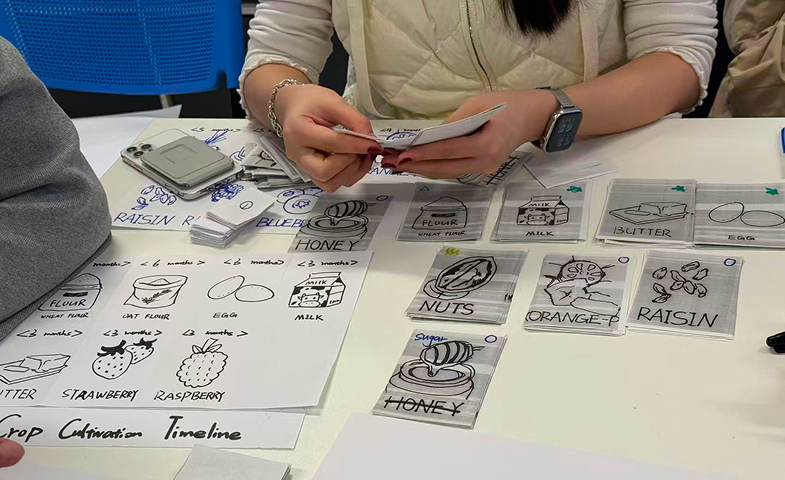
01 Simplify the task
The design focus became a concrete task: gather the ingredients for a bake.
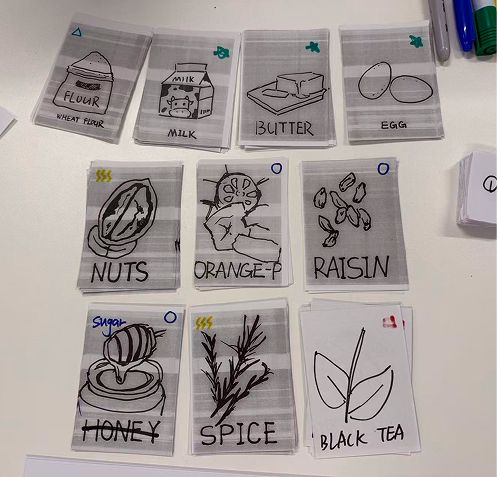
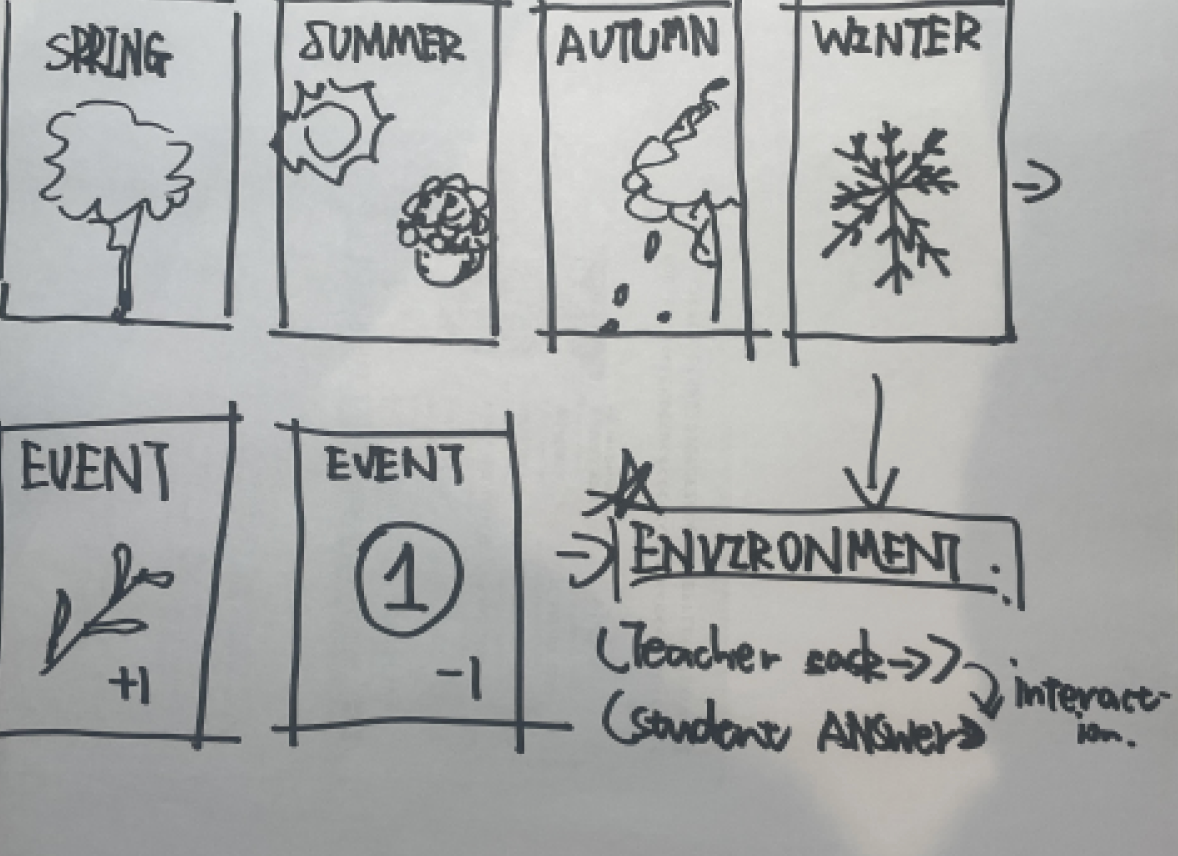
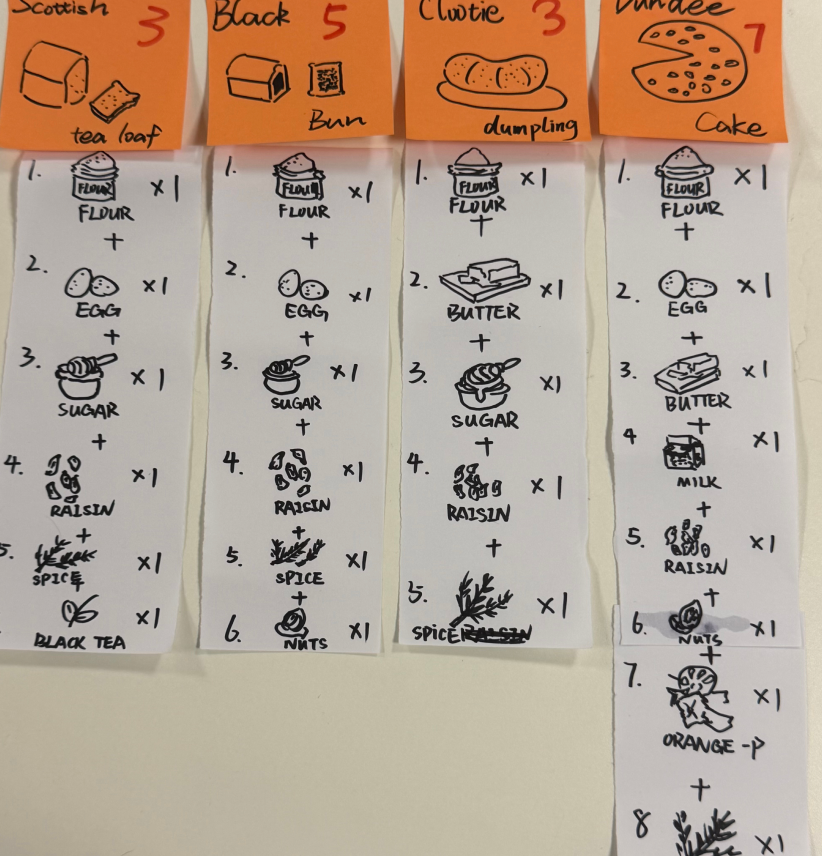
02 Connect the environment to play
Origins and changing conditions became part of choosing what to buy.
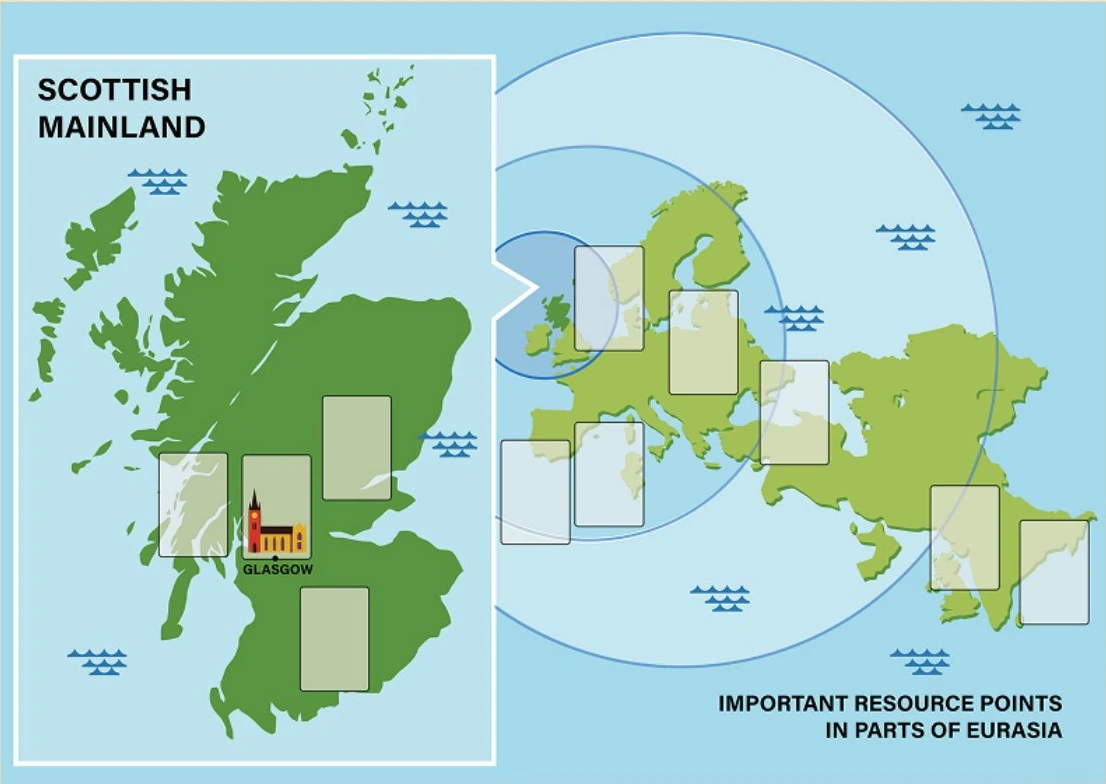
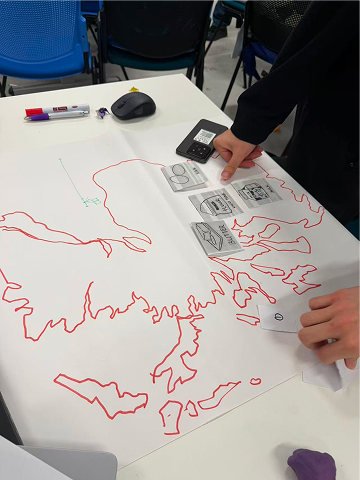
03 Create teaching moments
Facilitation became part of the interaction, rather than only an introduction to the rules.
The revised facilitation rhythm
Introduce the seasonal change.
Let players explain a sourcing choice.
Discuss what changed and why.
The kit: season, ingredient and recipe cards, a sourcing map and a player record.
Select a family. Hover to lift a card, then click or tap to turn it over.
Sample event faces. In play, the teacher reveals one of two events per season; future events stay hidden.
4 Seasons cards. Activate a card to turn it over. Use its Turn back button or Escape to return to the front.
LEARNING THROUGH PLAY
The research only becomes useful when learners can act on it. Designing for a classroom also means designing for the teacher. Their prompts and debrief help turn an individual move into shared understanding.
Explore the toolkit